
 Phrich
 guides
 Slot Game
 Contact
 Real Money Online Casinos
 Promotion
Understanding When PhilHealth Started and Its Impact on Filipino Society
When PhilHealth Started: The Beginning of a Healthcare Revolution
PhilHealth, officially known as the Philippine Health Insurance Corporation, was established to provide accessible and affordable health coverage for all Filipinos. The question many ask is, when philhealth started, and the answer traces back to its formal inception in 1995 through the Republic Act No. 7875. This legislation aimed to build a sustainable health insurance system that would reduce out-of-pocket expenses and promote health equity across the nation.
Since its launch, when philhealth started has been a pivotal point in the country’s healthcare history, especially as it coincided with the Philippines’ broader efforts to modernize social services. The agency’s initial focus was on providing basic health benefits, but over the years, it has expanded to include various health programs, wellness campaigns, and collaborations with private institutions like Goperya Live Casino.
Many wonder Phrich when PhilHealth started and how it has shaped healthcare in the Philippines.
Many wonder philslot about the history of PhilHealth and when it officially started helping Filipinos.

Understanding when philhealth started is crucial to appreciating how it has evolved alongside other Filipino innovations and services such as xriderph and x phil, which have contributed to improving everyday life through technology and social engagement. PhilHealth’s continuous development reflects the government’s commitment to ensuring that Filipinos are protected against financial risks associated with medical care, thereby fostering a healthier and more productive society.
Historical Timeline of PhilHealth
| Year | Event |
|---|---|
| 1995 | PhilHealth was officially established via Republic Act No. 7875 |
| 2001 | Expanded coverage to include more provinces and local government units |
| 2010 | Introduction of online member registration systems |
| 2015 | Enhanced benefits and integration with private healthcare providers |
| 2020 | Response to COVID-19 pandemic, increased support for health workers |
Legal Foundations and Policy Developments
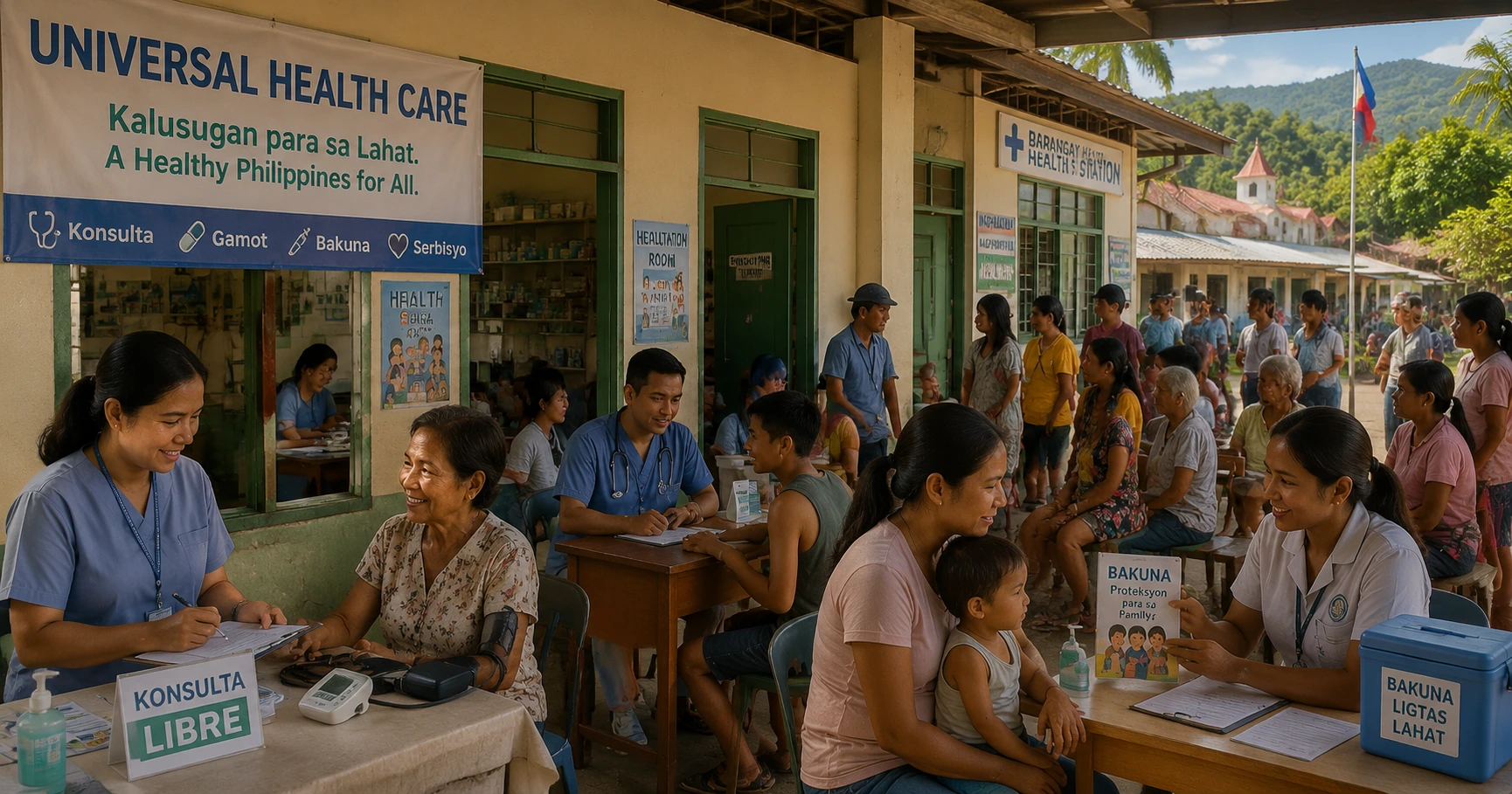
The legal basis for when philhealth started is rooted in Republic Act No. 7875, which laid down the framework for the country’s social health insurance system. Subsequent laws and executive orders have further refined its functions, including the Universal Health Care Act of 2019, which aimed to make healthcare more accessible and sustainable for Filipinos. These legislative milestones have ensured that PhilHealth remains adaptive to changing healthcare demands and continues to expand its reach.
Moreover, the integration of technology and partnerships with emerging platforms such as xriderph and x phil have enhanced PhilHealth’s operational efficiency. These collaborations help streamline member services and improve claims processing, reflecting a modern approach to public health insurance management.
Latest Data and Statistics on PhilHealth
Current Coverage and Membership
The moment of when philhealth started has seen remarkable growth in membership. As of 2023, PhilHealth reports over 100 million active members, covering both employed and voluntary contributors. This vast network ensures that Filipinos have access to affordable healthcare services nationwide.
PhilHealth’s extensive coverage has significantly reduced the financial burden of medical expenses for many Filipino families. By continuously updating its benefit packages and expanding its member base, PhilHealth plays a critical role in the country’s healthcare ecosystem. The agency’s collaboration with various sectors, including private enterprises and digital platforms like xriderph and x phil, further strengthens its commitment to universal health coverage.
In addition to healthcare, PhilHealth’s partnerships occasionally intersect with lifestyle and entertainment sectors, exemplified by associations with platforms such as Goperya Live Casino, showcasing how health services can be integrated with broader community engagement initiatives.